Rummy.land Editorial | Educational game guide | Prepared November 17, 2026

Mahjong in 60 Seconds
Mahjong is typically a four-player tile game. Players draw and discard tiles to build legal combinations. In many common variants a standard winning hand contains four groups and a pair, although special hands and scoring differ across Chinese, Japanese, American and other rulesets.
Why India Is Talking About Mahjong
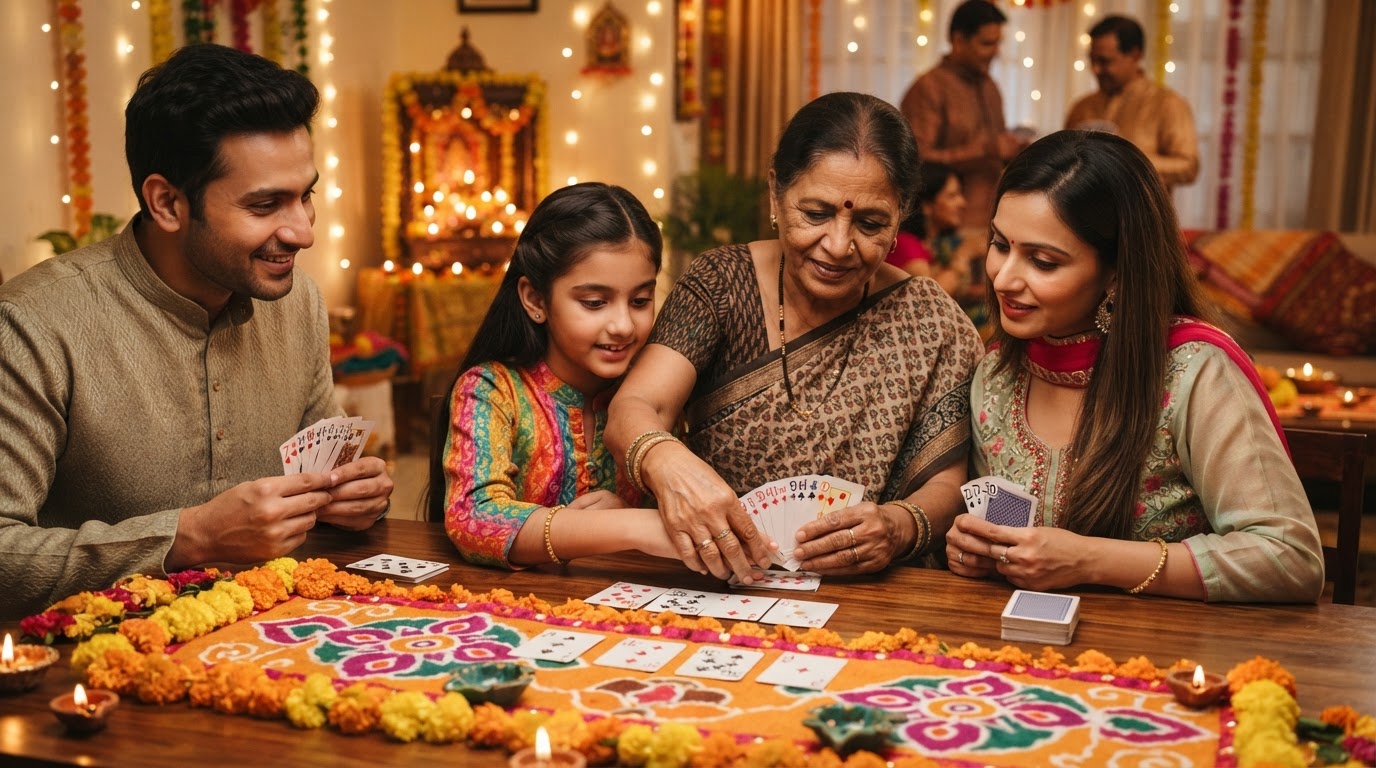
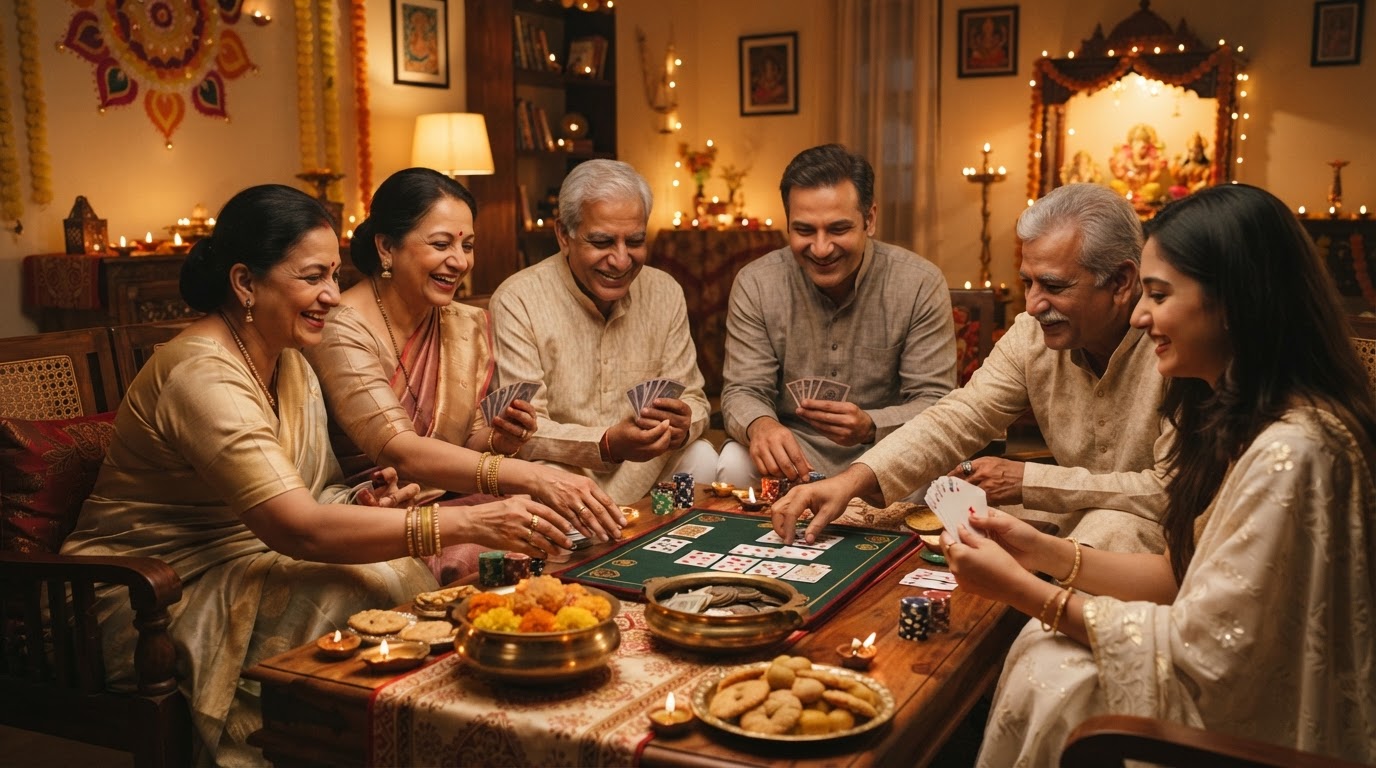
Early-November reporting described Mahjong tables, beginner classes and private gatherings in Delhi social circles. Organisers compared it with festive favourites Teen Patti and Rummy. These accounts do not prove nationwide replacement, but they do explain the current interest in beginner rules.
Learn the Tile Families
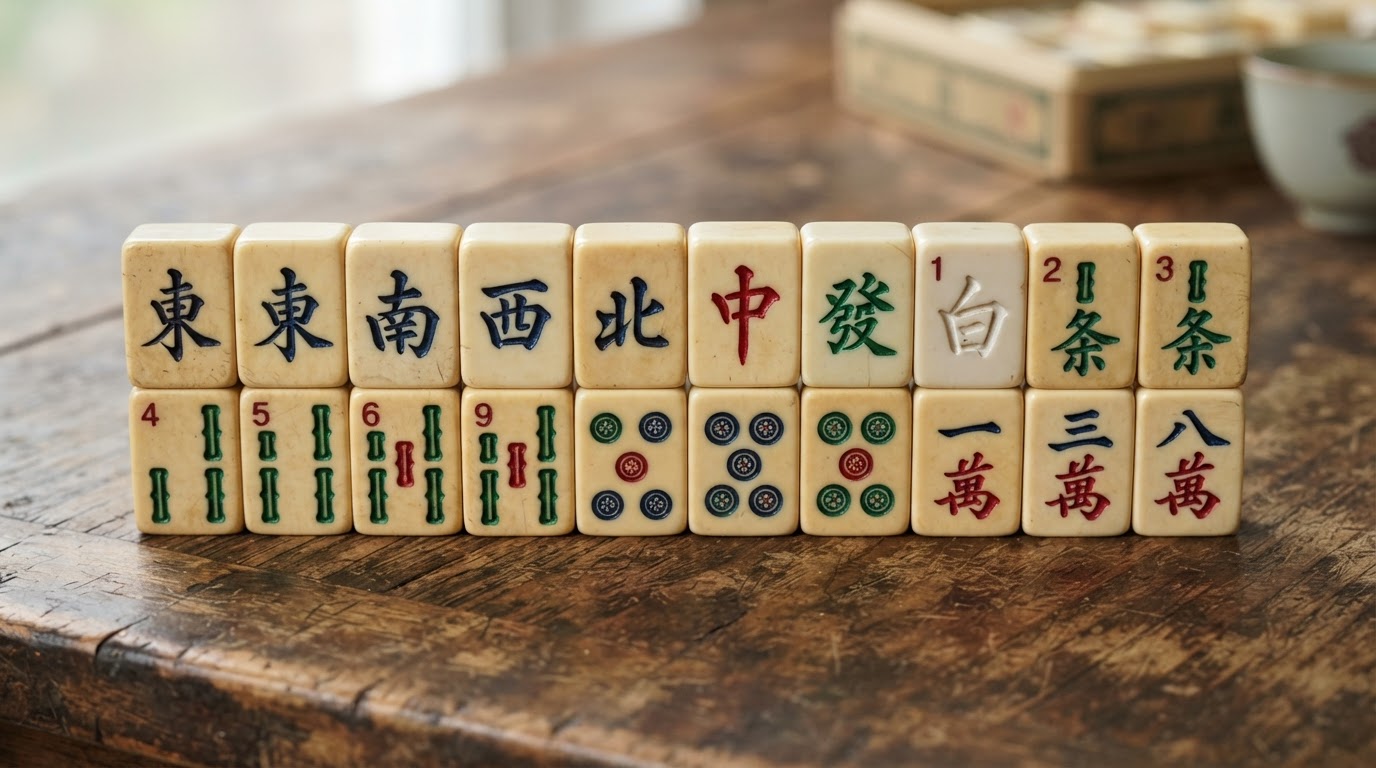
Many sets contain three numbered suits: Dots or Circles, Bamboo and Characters, numbered one through nine. Honour tiles commonly include Winds and Dragons. Some sets include Flowers and Seasons. Check your specific variant before playing, because the tiles used and bonus rules vary.
Four Important Combinations
A chow is three consecutive numbered tiles in one suit, such as Bamboo 3–4–5. A pung is three identical tiles. A kong is four identical tiles and is handled specially. A pair is two identical tiles. These concepts are common but do not describe every possible special hand.
How a Typical Turn Works
Players hold concealed tiles and draw and discard in sequence. Under the chosen rules, some discards can be claimed for legal groups. A player must decide whether to keep flexible tiles, commit to a combination or discard a tile that might help an opponent. Exact calling and scoring rules differ.
Mahjong vs Rummy vs Teen Patti
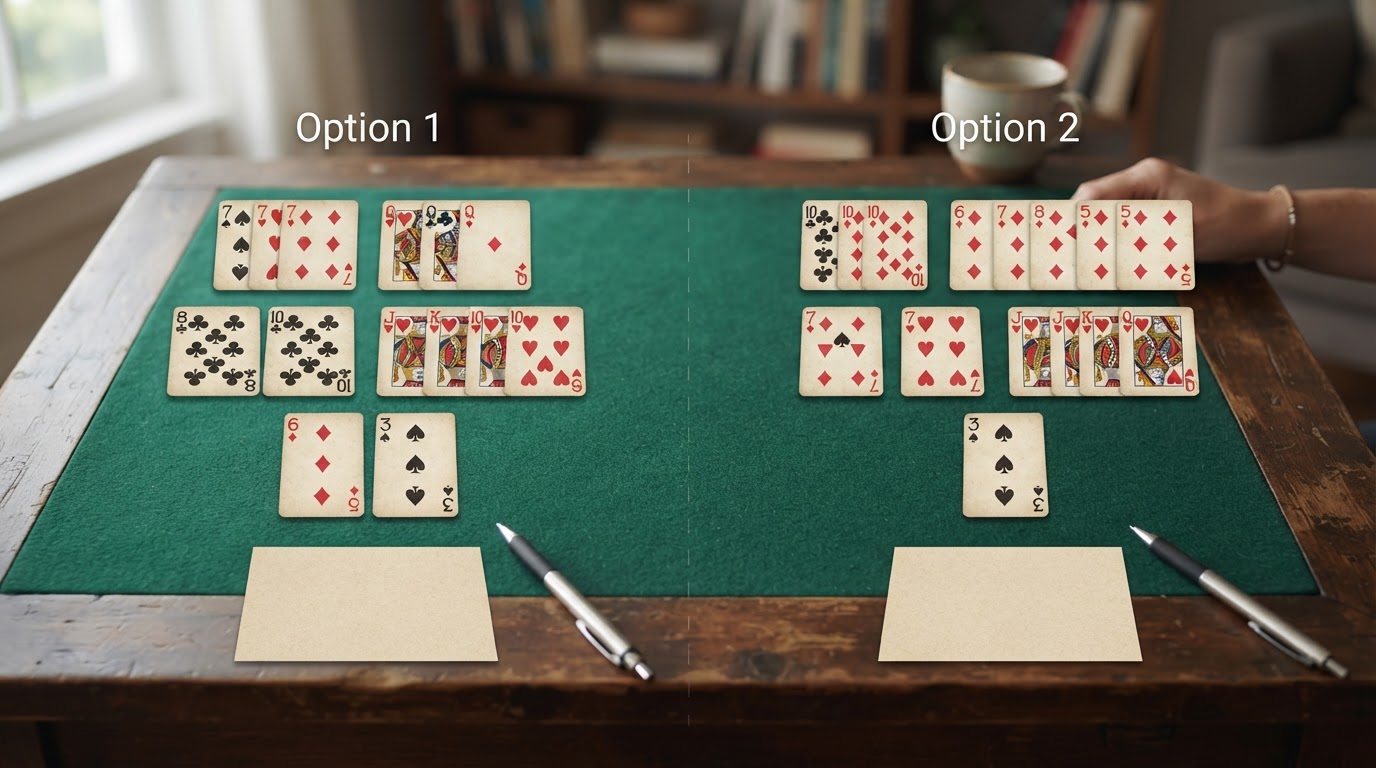
Mahjong and Indian Rummy both involve developing combinations over turns, but Rummy uses playing cards and typically requires sequences and sets, including a pure sequence in common 13-card play. Teen Patti instead compares three-card hands and usually proceeds in faster rounds. None is universally more strategic: they reward different decisions.
30-Minute Beginner Practice
Spend five minutes identifying suits and honours, ten sorting example chows and pungs, ten practising open-hand draws and discards, and five checking a valid hand against the chosen ruleset. Play without money stakes while learning.
FAQ and Sources
How many play Mahjong? Usually four. Is Mahjong a card game? It generally uses tiles. Is it harder than Teen Patti? It often has more rules to learn. Can it be played without wagering? Yes. Source: The Times of India, November 3, 2026. Related comparison.
Which Mahjong Rules Are You Actually Learning?
The word ‘Mahjong’ covers several distinct rulesets. Hong Kong-style, Chinese Official (MCR), Japanese Riichi, American Mah Jongg and other local forms can differ in winning requirements, calls, scoring and even tile inventory. Before you start, ask: Which variant? Are flowers used? Is there a minimum score or fan requirement? How do players claim discards? Does a kong require a replacement draw? A beginner who combines rules from different variants may end up with a hand that no one at the table accepts.
Tile Recognition: A Practical Drill
Lay out one to nine in each numbered suit: Dots, Bamboo and Characters. Ask a learner to sort ten mixed tiles into suits before trying any hands. Then add the four winds and three dragons, explaining that honour tiles cannot form numbered chows. Repeat with eyes briefly turned away, then ask the learner to name the suit and rank of each revealed tile. This teaches the visual vocabulary needed to follow a live table.
Worked Hand: Four Groups and a Pair
An illustrative conventional winning structure could contain Bamboo 2–3–4 (chow), Dots 5–6–7 (chow), three identical Red Dragons (pung), three identical Character 9 tiles (pung) and two identical East Wind tiles (pair). That is 3 + 3 + 3 + 3 + 2 = 14 tiles. Whether it actually qualifies as a win depends on the variant’s scoring and minimum-hand requirements. This example is about structure, not a universal guaranteed winning hand.
The Decision Behind Every Discard
Suppose you hold Bamboo 3 and Bamboo 4, Dots 6 and Dots 7, plus an isolated honour tile. Keeping 3–4 preserves several potential draws for a chow; keeping 6–7 does likewise. An isolated honour tile may be less flexible unless it matches a pair or pung plan, but discarding it could still matter to an opponent. This is why a good Mahjong player does not merely count completed groups: they evaluate useful future draws, visible discards and the rules for calling tiles.
Chow, Pung, Kong and Pair: Frequent Confusions
A chow must use one numbered suit in order; 7–8–9 Bamboo works, but 8–9–1 does not wrap. Honour tiles such as winds cannot make a numbered chow. A pung needs three identical tiles, not three dragons of different colours. A kong uses four identical tiles and commonly triggers special handling. A pair contains two identical tiles. If you are learning Riichi, open melds and hand-closure requirements can affect eligibility for certain scoring patterns.
How Mahjong and Rummy Are Similar—and Different
Both reward planning around incomplete combinations. In Rummy, a run of same-suit cards can form a sequence and a wild card can often substitute in an impure sequence. In Mahjong, chows are specifically three consecutive suited tiles, and honours behave differently from numbered suits. Common 13-card Rummy declarations require a pure sequence; a conventional Mahjong hand often has four groups and a pair, subject to variant-specific conditions. Calling both ‘the same game with different equipment’ would erase important differences.
A Beginner Session You Can Actually Run
Use a single rulebook for the session. Begin with face-up sorting, then ask each player to construct a chow, pung and pair. Next, deal example hands openly and let learners explain which tiles they would discard and why. Only after they understand turn order should you hide hands and introduce calling rules. Avoid scoring complexity until everyone can recognise a structurally complete hand.
Evidence and Editorial Transparency
Recent reporting from The Times of India, The Indian Express and ANI/The Tribune documents Mahjong activity in particular Indian urban social circles. It does not provide nationally representative market-share data. This guide is a synthesis of commonly described Mahjong structures, not a certified rules reference for every variant. No live game was tested for this article; AI assisted the drafting and the illustrations are generated.

Leave a Reply