Rummy.land Editorial | Educational game guide | Prepared November 17, 2026

The Quick Answer
Tabletop games are receiving fresh attention in 2026. Reuters reported on November 13 that publisher Asmodee saw resilient demand as consumers sought face-to-face experiences. Earlier reporting from Pune described Indian-designed games and local meetups. These are real signals of interest, but not proof that Indian consumers are abandoning mobile games.
What the News Actually Shows
Reuters covered international tabletop-industry trends, while Pune reporting focused on Indian communities, game cafés and new local designs. Those are different datasets. A publisher’s sales performance cannot be used as a direct measure of Indian household behaviour. Treat the stories as cultural context, not a national participation survey.
Why People Choose a Physical Table
Physical play provides tactile components, immediate reactions, shared attention and conversations that happen naturally during turns. Mobile games offer convenience, remote play and accessibility. Many people enjoy both. The useful question is which format best serves the group’s situation, not which is inherently better.
Five Games for an Indian Offline Evening
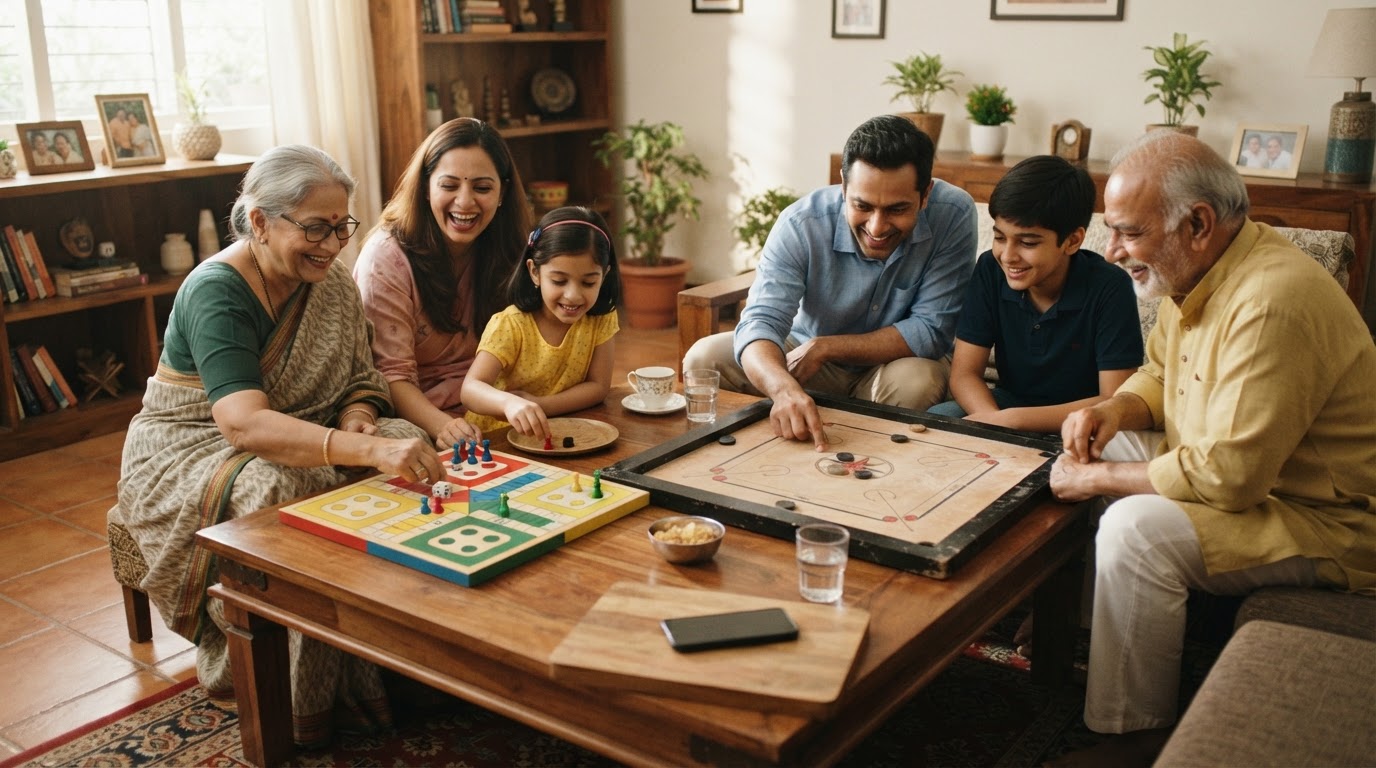
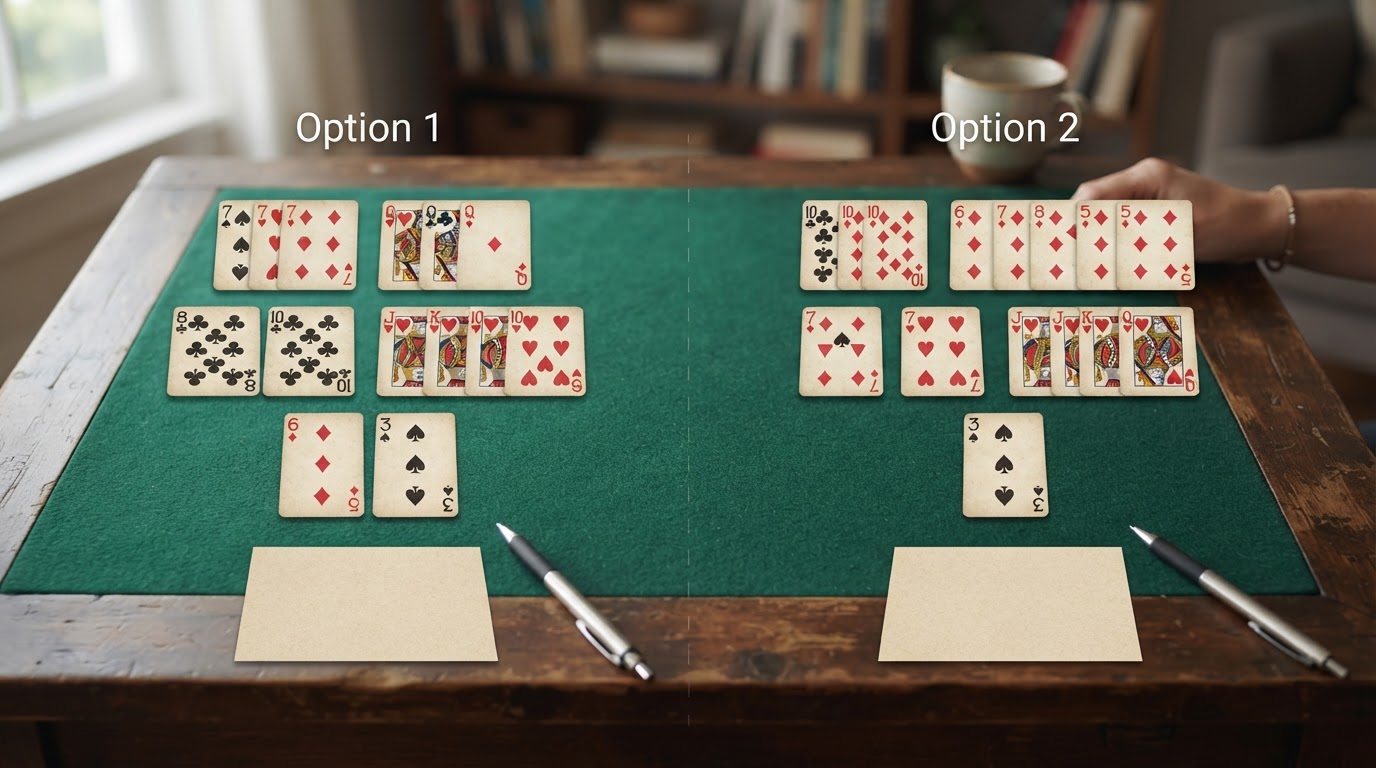
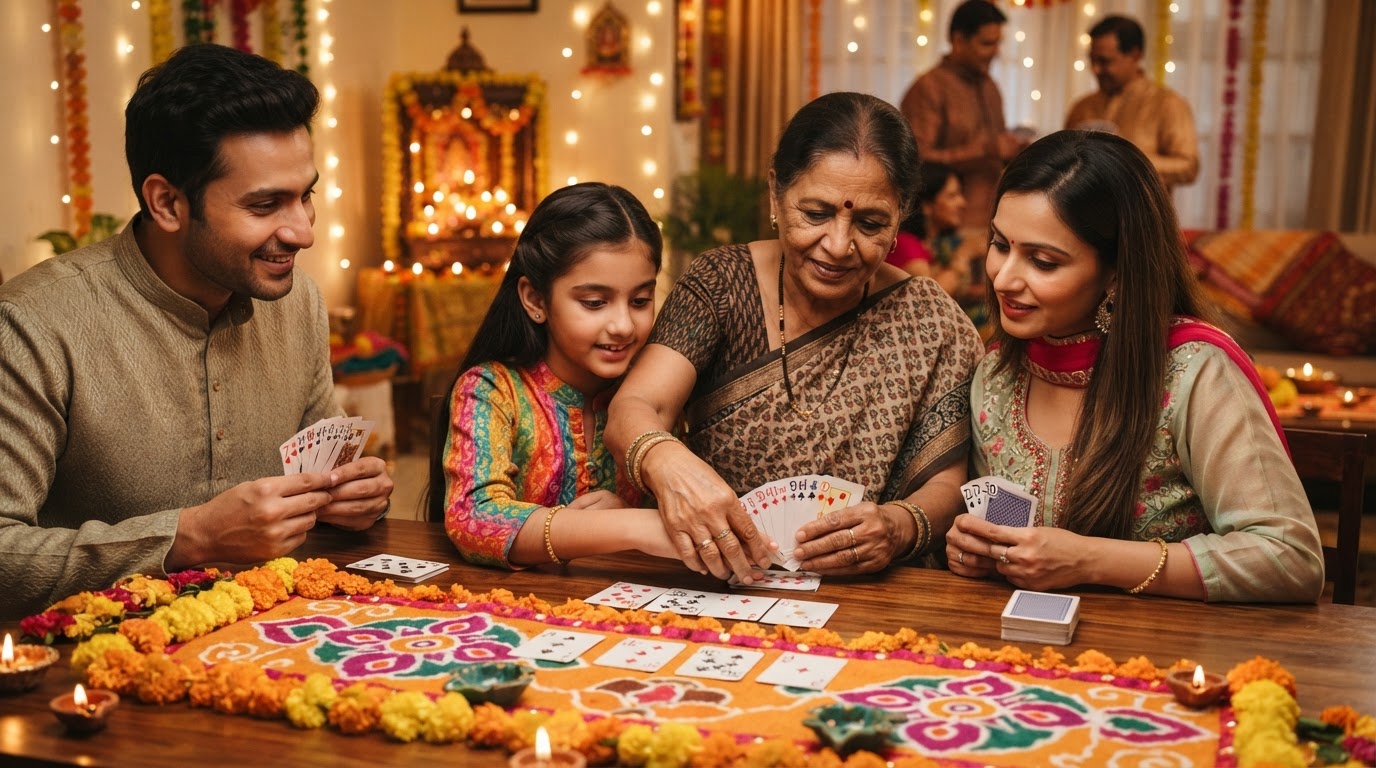
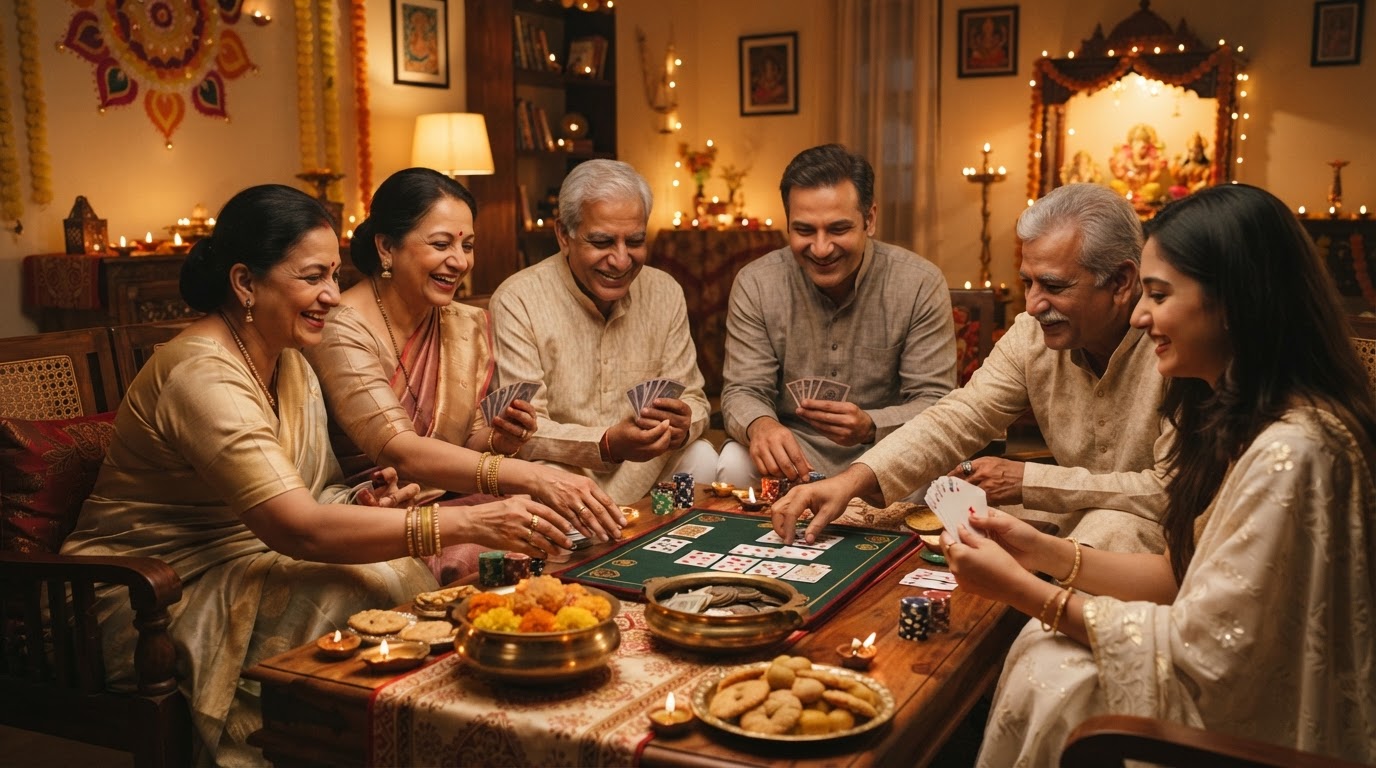
Ludo is easy to introduce to mixed ages. Carrom rewards careful physical control. Indian Rummy offers sequences and sets for older players. Antakshari needs little equipment. Pagadi can connect a family to regional cross-and-circle traditions. Agree on house rules and keep all activities recreational without stakes.
Offline vs Mobile: Practical Tradeoffs
Offline sessions require space, equipment and coordination, but everyone can see the same table. Mobile play requires a device and sometimes connectivity, but works when friends are far apart. Screen-free evenings can be enjoyable without treating phones as an enemy: use messaging apps to organise, then put them aside during the match if everyone agrees.
A 90-Minute Game-Night Plan
Spend ten minutes choosing teams and rules, twenty on a quick Ludo warm-up, thirty on Carrom or Rummy, twenty on Antakshari, and ten sharing favourites. For children, shorten rounds and choose age-appropriate equipment. Do not force everyone to play the same game.
What the Trend Does Not Prove
An anecdote about one café is not national search demand. Industry sales are not equivalent to unique players. A trending hashtag is not proof of lasting interest. A website such as Rummy.land should validate article opportunities with Google Search Console queries rather than headlines alone.
FAQ and Sources
Are board games replacing phones? Not proven. Is Rummy playable offline? Yes, with physical cards. Can families play without gambling? Yes. Reuters, November 13, 2026; The Times of India, August 11, 2026.
Separate Three Different Kinds of Evidence
Industry revenue, participation in a club and the percentage of people who say they value face-to-face experiences measure different things. Reuters reported Asmodee’s board-game category sales grew 18.4% in its most recent quarter, while trading-card-game sales grew 51.6%. The article also cited a 2026 Asmodee–Kantar international barometer in which 74% of surveyed Gen Z respondents considered in-person experiences more important than digital ones. None of these figures alone estimates the share of Indians who play physical board games.
What the Reuters Story Actually Tells Us
The November 13 interview with Asmodee CEO Thomas Koegler links demand to social interaction and organised communities. It also mentions event attendance and hobby stores. A company executive has direct industry experience, but also a commercial interest in describing the category positively. Responsible reporting includes both the data and the incentive, rather than treating an interview as an independent population survey.
India’s Tabletop Scene Is Not One Market
An Indian family playing Ludo at home, a group playing Carrom at a neighbourhood club, a café hosting designer games and an online Rummy player represent different activities. They may overlap, but their motivations, spending and rules differ. Articles about cafés in Pune or Mahjong sessions in Delhi illuminate particular communities, not every household in India. A useful market story keeps those segments separate.
The Social Mechanism: Why a Table Changes Interaction
Physical games create a shared object of attention: everyone can see the board, notice a move and respond without switching apps. Turns provide a conversational rhythm, and repeated meetings can create familiarity. But offline play also has costs: travel, venue space, accessibility, equipment and scheduling. The experience is not automatically more inclusive or healthier; it depends on who can participate and how the session is run.
How to Test the Trend Locally
If you want to know whether a city has growing tabletop activity, track the same measures over time: number of recurring public meetups, attendance per session, venues hosting games, repeat participation and availability of beginner classes. Compare at least several months, note seasonality and do not infer national trends from one viral post. For a website, pair this with Search Console impressions for specific game queries and the countries where those searches originate.
Five Ways to Make a Game Night Better
Start with a short accessible game before a complex one. Display a printed one-page rules summary. Choose a quiet, well-lit table with room for movement. Rotate partners so newcomers do not feel excluded. Make clear that games are recreational and without financial stakes. These are practical hosting suggestions, not experimentally proven interventions.
An Honest Comparison with Mobile Gaming
Mobile games can connect distant friends, provide accessibility settings and fit short breaks. Physical games offer tactile feedback and co-present interaction. People may use both during the same week. The headline ‘board games replace smartphones’ is a stronger claim than the available evidence supports. A more accurate conclusion is that some consumers and communities are investing time in in-person play alongside digital entertainment.
Editorial Method and Source Notes
Reuters provides the industry interview and numerical claims. Indian local reporting provides community examples. Our interpretation of how games support shared attention is editorial analysis, not a finding from a controlled study. We did not conduct original interviews or a national survey. AI-assisted drafting was used, with reported facts attributed to the cited publications.

Leave a Reply